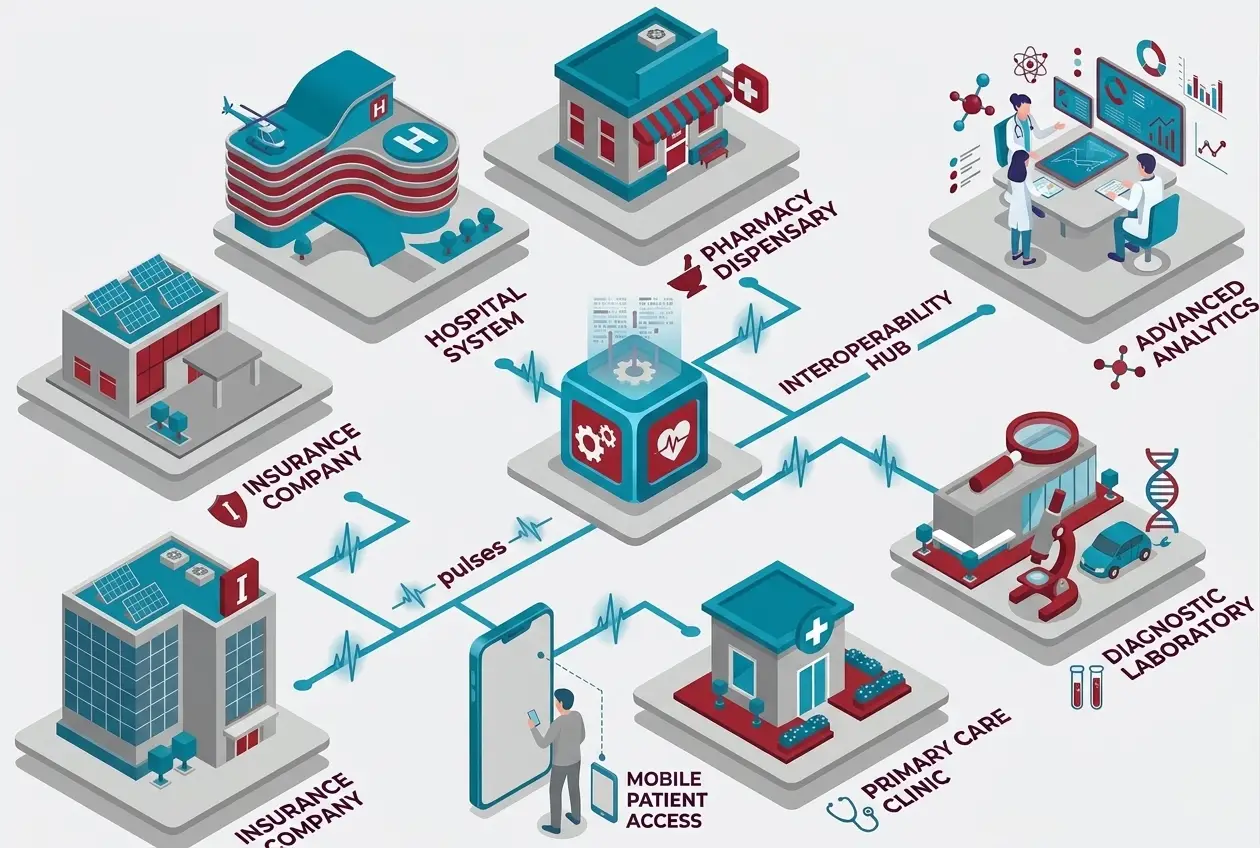


Patient engagement doesn’t end when a patient leaves the exam room. What happens between visits can influence follow-up, communication, workflow efficiency, and the overall patient experience.
Yet, practices are already managing phone calls, portal messages, appointment requests, referrals, reminders, and follow-up tasks. Without consistent workflows, important opportunities can easily slip through the cracks.
The solution isn’t necessarily more communication. It’s smarter communication supported by better workflows and technology.
What Does Patient Engagement Look Like Between Visits?
Patient engagement means giving patients practical ways to participate in their care and communicate with the practice before, during, and after appointments.
Between visits, that can include appointment reminders, follow-up communications, secure messaging, preventive care outreach, prescription requests, digital forms, and access to health information.
The goal is not simply to send more messages. Instead, practices should make each interaction useful and connected to the patient’s care journey.
The Office of the National Coordinator for Health Information Technology notes that EHRs and patient portals can support communication, follow-up information, appointment management, and more proactive patient participation.
Why Workflow Matters as Much as Technology
Technology alone does not create better engagement. The workflow surrounding it determines whether the technology actually helps patients and staff.
For example, a patient portal may make it easier to communicate. However, without clear ownership and response expectations, messages can quickly become another source of administrative burden.
The American Medical Association recommends setting clear expectations for patient portal use and using team-based workflows to triage and manage portal messages.
Therefore, practices should define:
- Which messages staff can handle without clinical intervention
- Which requests require clinical review
- When a message should become a phone, telehealth, or office visit
- Who monitors follow-up tasks
- How quickly different types of requests should receive a response
These simple decisions can make patient engagement more predictable and easier to manage.
How Can Better Patient Engagement Improve Practice Workflow?
Better patient engagement can reduce unnecessary back-and-forth while helping staff identify what needs attention sooner.
For instance, automated reminders can prompt patients to complete forms, confirm appointments, schedule recommended follow-ups, or respond to routine outreach. Meanwhile, digital communication can give patients convenient ways to request information without always requiring a phone call.
That can help reduce repetitive administrative work and allow staff to focus on tasks requiring human judgment.
Connect Communication to the Patient Journey
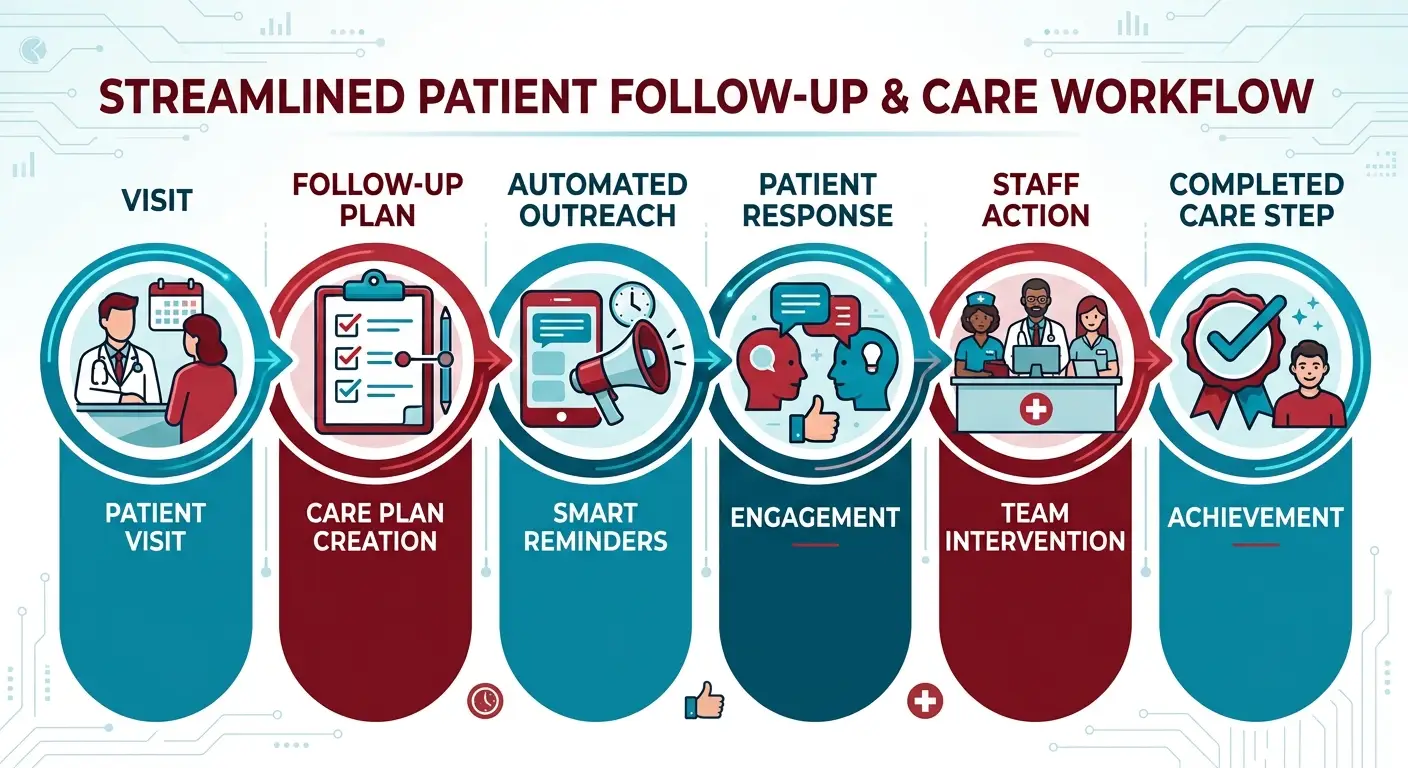
The most effective patient engagement strategies connect communication to specific moments in the patient journey.
Consider a simple workflow:
Visit → Follow-up plan → Automated outreach → Patient response → Staff action → Completed care step
Instead of relying on memory or manual lists, practices can build repeatable workflows around common needs. For example, after a visit, technology can support follow-up instructions, appointment reminders, scheduling, or secure communication.
This approach helps staff identify patients who have not completed an expected next step while giving patients a clearer path forward.
Use Technology to Reduce, Not Redistribute, Administrative Work
Adding another digital tool does not automatically improve patient engagement. Technology should fit into existing workflows and reduce manual work rather than create another task for staff.
Useful capabilities may include:
- Patient portals connected to the EHR
- Automated appointment reminders and follow-up outreach
- Online scheduling and digital forms
- Secure messaging
- Patient communication and outreach tools
- Reporting that identifies missed follow-up opportunities
For example, the Office of the National Coordinator for Health Information Technology (ONC) notes that EHRs can support follow-up information, reminders, appointment management, and communication with patients. These capabilities can help practices stay connected while encouraging patients to take a more active role in their care.
The goal is straightforward: make it easier for patients to take the next step while making it easier for staff to manage that process.
How Can Practices Strengthen Patient Engagement Without Overwhelming Staff?
The answer is to make engagement more intentional and manageable.
Practices should not try to communicate with every patient in exactly the same way. Instead, identify the interactions that matter most and create workflows around them.
Start with a few high-value opportunities, such as:
- Patients who need routine follow-up
- Patients overdue for preventive care
- Patients who frequently miss appointments
- Patients waiting for referrals or test follow-up
- Patients managing ongoing conditions
- Patients who need assistance navigating practice services
From there, measure whether the workflow is actually working.
Useful operational measures might include response times, appointment completion, unresolved outreach tasks, portal utilization, missed follow-ups, and staff time spent managing communications.
Over time, these measures can show where additional automation, workflow changes, or staff intervention may be worthwhile.
What Should Ambulatory Practices Do Next?

Patient engagement should be viewed as an operational strategy, not simply a patient-experience initiative.
Start by asking:
- Where are patients most likely to lose contact with our practice?
- Which follow-up tasks still depend heavily on manual staff outreach?
- Are patients given clear expectations for portal and digital communication?
- Can patients schedule, confirm, or request services without calling the office?
- Are engagement tools connected to our EHR and practice workflows?
- Which repetitive communication tasks could be automated?
- How do we measure whether patients are completing recommended next steps?
Most importantly, focus on fewer disconnected interactions and more coordinated workflows.
VOW’s resource on Proactive Patient Engagement and Monitoring explores how digital tools and proactive workflows can help practices stay connected with patients between visits. Likewise, AI Patient Contact Centers can help practices address growing communication demands while reducing repetitive administrative work.