

5 Smart Scheduling Strategies to Reduce Patient No-Shows in Medical Practices
Patient no-shows create daily stress for physician practices. Empty appointment slots reduce revenue, disrupt workflows, and delay patient care. Over time, those missed visits can impact staff morale and patient satisfaction.
Fortunately, smarter scheduling strategies can help practices reduce no-shows while improving the patient experience. Better communication, automation, and scheduling flexibility can make a major difference.
More importantly, today’s patients expect convenience. They want simple scheduling, quick reminders, and digital tools that fit their busy lives.
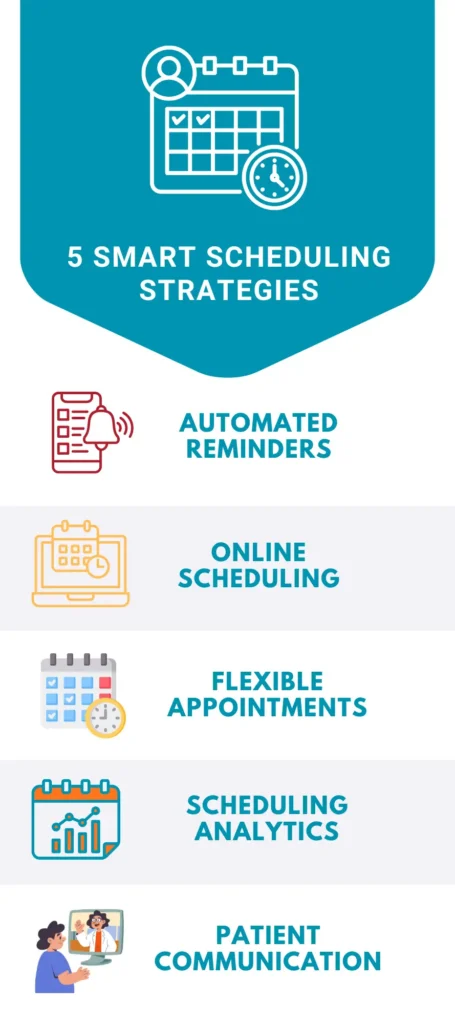
Below are five practical scheduling strategies that can help your practice improve attendance and keep schedules running smoothly.
Why Are Patient No-Shows Increasing?
Patients miss appointments for many reasons. Sometimes they forget. Other times, life simply gets in the way.
Additionally, outdated scheduling processes often make the problem worse. Manual calls, limited appointment options, and poor communication can frustrate patients.
According to Healthcare IT News, automated patient engagement tools can significantly improve communication and reduce missed visits.
As a result, practices are turning to smarter scheduling solutions that support both patients and staff.
1. Use Automated Appointment Reminders
How Do Automated Reminders Reduce No-Shows?

Automated reminders help patients remember upcoming visits without adding work for staff members.
For example, reminders can be sent through:
- Text messages
- Email notifications
- Automated voice calls
- Patient portal alerts
In many cases, patients respond better to text reminders because they are quick and convenient.
Furthermore, sending reminders 72 hours and 24 hours before appointments gives patients enough time to confirm or reschedule.
According to MGMA, automated reminders are one of the most effective ways to lower no-show rates in healthcare practices.
2. Offer Online Self-Scheduling
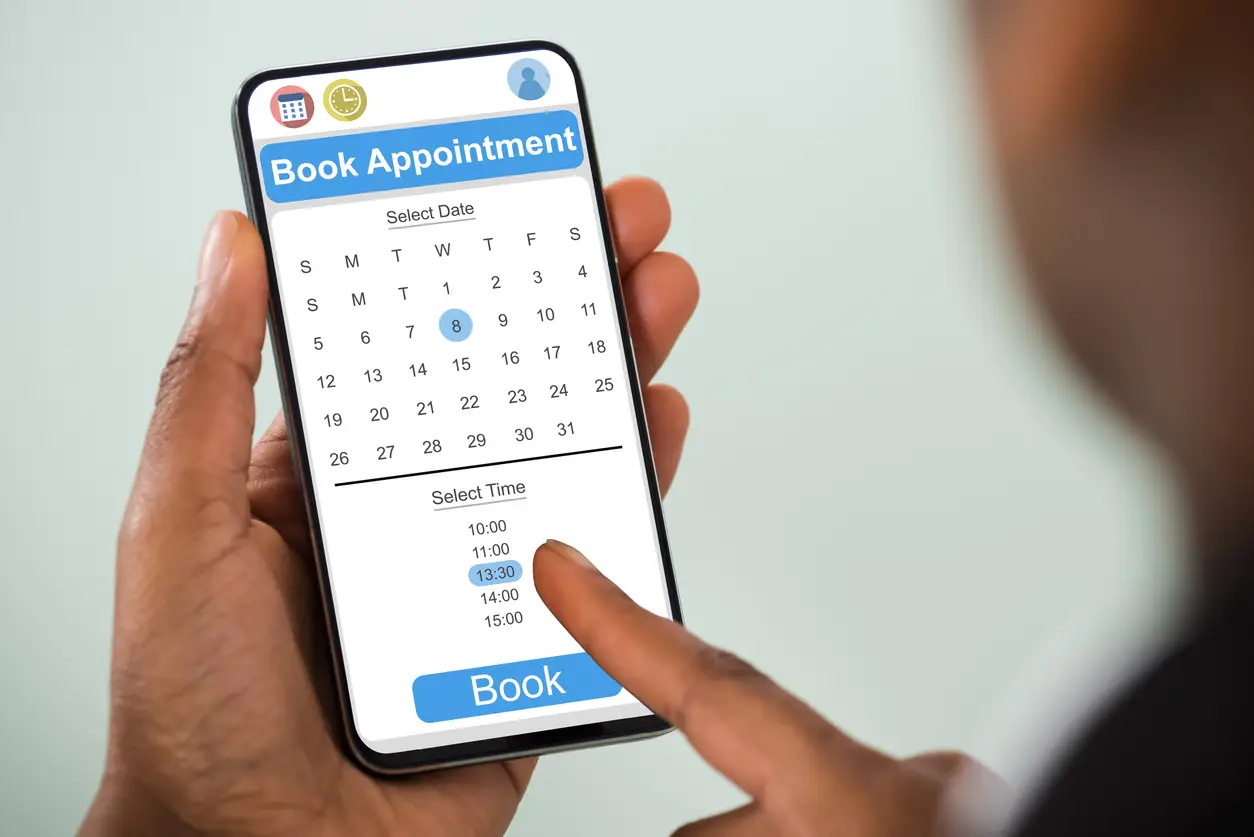
Why Do Patients Prefer Online Scheduling?
Today’s patients expect the same convenience they receive from retail and banking apps.
Therefore, online self-scheduling has become essential for modern medical practices.
When patients can schedule appointments anytime, they are more likely to follow through with visits. In fact, many patients book appointments after office hours.
Additionally, self-scheduling reduces phone traffic and frees staff members to focus on patient care.
Solutions like Virtual OfficeWare Practice Management Services help practices streamline scheduling and improve operational efficiency.
3. Create Flexible Scheduling Options
What Scheduling Flexibility Helps Reduce Missed Visits?
Rigid scheduling often causes patients to cancel or skip appointments.
Instead, practices should offer flexible options whenever possible.
Helpful strategies include:
- Same-day appointments
- Waitlists for cancellations
- Telehealth visits
- Extended office hours
- Easy rescheduling options
Meanwhile, flexible scheduling improves patient satisfaction because patients feel the practice respects their time.
As a result, practices often see stronger patient loyalty and improved appointment attendance.
4. Identify High-Risk No-Show Patterns
Can Data Help Prevent Patient No-Shows?
Yes. Scheduling analytics can reveal important patient behavior trends.
For example, practices may notice:
- Certain appointment times experience more no-shows
- Specific providers have higher cancellation rates
- Patients with long wait times cancel more often
Therefore, reviewing scheduling data helps practices make smarter operational decisions.
Additionally, predictive scheduling tools can flag patients who frequently miss appointments and trigger additional reminders or follow-up communication.
Virtual OfficeWare Healthcare Solutions helps physician practices leverage technology to improve workflow efficiency and patient engagement.
5. Improve the Patient Experience
How Does Patient Experience Affect Appointment Attendance?
Patients are more likely to keep appointments when communication feels personal, clear, and supportive.
Consequently, practices should focus on making scheduling simple and stress-free.
Small improvements can make a big impact, including:
- Shorter hold times
- Friendly reminder messages
- Mobile-friendly patient portals
- Clear appointment instructions
- Fast follow-up communication
Likewise, practices that prioritize patient convenience often build stronger relationships and long-term trust.
What Technology Helps Reduce Medical Appointment No-Shows?
Modern scheduling software helps practices automate many time-consuming tasks.
For example, advanced platforms can support:
- Automated reminders
- Online scheduling
- Real-time calendar updates
- Patient communication tools
- Reporting and analytics
- Telehealth integration
As healthcare continues to evolve, smart scheduling technology is becoming a necessity rather than a luxury.
Reduce No-Shows With Smarter Healthcare Scheduling
Reducing patient no-shows requires more than reminder calls. Today’s physician practices need connected, patient-friendly scheduling solutions that improve communication and simplify access to care.
Virtual OfficeWare helps healthcare organizations modernize scheduling, improve patient engagement, and streamline operational workflows.
Ready to improve scheduling efficiency and reduce missed appointments? Schedule a demo or let’s chat for you to learn how Virtual OfficeWare can support your practice growth.